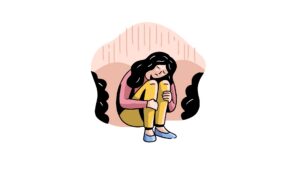




For a long time, it may not feel like a problem.
You’re still showing up to work or school. You’re handling responsibilities. From the outside, nothing looks out of control. Drinking might feel like a normal way to unwind, socialize, or get through a stressful day.
But at some point, something begins to shift.
It’s not always obvious, just a quiet sense that things are taking more effort than they used to. You might notice you rely on drinking more often, or that it’s harder to feel balanced without it. Even if everything still “works,” it doesn’t feel quite as simple as it once did.
This is where a lot of people get stuck, not because something is clearly wrong, but because it’s hard to define what’s changing.
This article isn’t about labeling your drinking. It’s about understanding subtle patterns, recognizing when something is shifting, and knowing when it might make sense to explore additional support.
What It Can Look Like When Drinking Still Feels “Under Control”
For many people, drinking doesn’t start as a problem, it starts as something that helps.
It might take the edge off after a long day, quiet racing thoughts, or make social situations feel easier. In that way, it can feel useful, like something that fits into your life without disrupting it.
And for a while, that may be true.
You’re still:
- meeting expectations
- keeping up with responsibilities
- maintaining relationships
Because of this, it’s easy to assume everything is fine.
But functioning doesn’t always mean something feels easy.
Sometimes the shift isn’t about what’s visible, it’s about how much effort it takes to feel okay without it.
Subtle Signs It May Be Getting Harder to Manage
These changes are often gradual, which is why they’re easy to overlook.
You might notice:
- Thinking about drinking earlier in the day, even if you don’t act on it
- Using alcohol more intentionally to change how you feel, whether to relax, disconnect, or reset
- Needing it more consistently to unwind
- Feeling more irritable, restless, or unsettled without it
- Questioning your habits, then quickly brushing those thoughts aside
On their own, these patterns may not seem concerning.
But taken together, they can indicate that alcohol is starting to play a more central role in how you manage stress, emotions, or daily life.
And that shift, more than any label, is worth paying attention to.
Why This Can Be Easy to Overlook
One of the most challenging parts about recognizing these changes is that nothing may look “serious” on the surface.
It’s common to think:
- “I’m still functioning”
- “Other people have it worse”
- “This isn’t really a problem”
Functioning can create a sense of reassurance, even when things feel different internally.
There’s also a natural hesitation to put a label on anything. Once something is defined, it can feel heavier or harder to ignore.
So instead, it often gets minimized, not out of avoidance, but because it doesn’t clearly fit into what people expect a “problem” to look like.
Why Alcohol Can Start to Feel Like Something You Rely On
Alcohol often becomes more consistent when it begins filling a role beyond occasional use.
Not just socially, but emotionally.
It can start to feel like something you rely on to:
- unwind after stress
- quiet anxious thoughts
- create a sense of relief
- feel more present or at ease
Over time, this can shift from something you choose…
to something that feels harder to go without.
This doesn’t mean anything is out of control. But it may mean your system has started depending on it to regulate how you feel, especially during stress or emotional overwhelm.
How It Can Affect Daily Life Over Time
When alcohol starts playing a larger role, the effects are often subtle, but noticeable.
You may find it harder to:
- stay emotionally steady
- focus consistently
- feel fully rested
- navigate stress without needing a reset
It can also begin to impact relationships, especially if your mood or availability shifts depending on whether you’ve had time to decompress.
These changes don’t always feel dramatic, but they can create a sense that daily life requires more effort than it used to.
Joint Commission Accreditation, DHCS License,
& Clinical Partnership with CPCMG
Joint Commission Accreditation, DHCS License, & Clinical Partnership with CPCMG
In Clinical Partnership With
PRI Treatment Center is proud to clinically partner with Children’s Primary Care Medical Group San Diego to expand access to high-quality mental health services. Together, we’re bridging the gap between primary care and mental health to better support the well-being of children and families in our shared community.
When It May Be Worth Looking at More Support
There isn’t a single moment where something suddenly becomes a problem.
It’s usually a pattern that develops over time.
You might notice:
- it’s harder to regulate how you feel without alcohol
- you rely on it more consistently than before
- attempts to cut back feel more difficult than expected
If that’s the case, it doesn’t mean something is wrong with you.
It may simply mean you don’t yet have the support or tools needed to feel steady without it.
What Support Can Look Like (Without Overwhelm)
Support doesn’t have to mean stepping away from your life or making extreme changes.
For many people, it looks like adding structure and consistency.
This can include:
- learning ways to regulate stress and emotions without relying on alcohol
- building routines that support stability
- having consistent support throughout the week, not just once
Structured outpatient programs, like a partial hospitalization program for mental health or intensive outpatient mental health treatment, are designed to provide that level of support while allowing you to stay engaged in your daily life.
If you’re unsure what that looks like day-to-day, it can help to understand what outpatient treatment actually involves and how it fits into a normal schedule.
You Don’t Have to Label It to Get Support
One of the biggest misconceptions is that you need to define or label your experience before getting help.
You don’t.
You don’t need to decide if something is a “problem.”
You don’t need to commit to a specific outcome.
You just need to recognize when something feels different and be open to support that helps you feel more steady again.
Frequently Asked Questions
Is high-functioning alcohol use a problem?
It can be, but it doesn’t always look obvious. If drinking is starting to feel more necessary or harder to go without, it may be worth exploring further.
Can I still get help if I’m functioning normally?
Yes. Support is based on how things feel and function internally, not just how they appear externally.
Do I have to stop drinking completely?
Not necessarily. Many people begin by understanding patterns and building alternative ways to regulate stress and emotions.
What kind of support helps most?
Support that includes structure, consistency, and skill-building, like outpatient programs, can help you feel more balanced without relying on alcohol.
Not sure if drinking is becoming harder to manage?
Getting clarity can make a meaningful difference.
Next Steps:

Dr. Warter received his doctorate in Clinical Psychology from The Wright Institute in Berkely, California, completed his Predoctoral Internship at USC’s Children’s Hospital Los Angeles, and was a Postdoctoral Researcher at USC’s Institute for Integrative Health and Wellness. Dr. Warter has also been trained at UCSF School of Medicine, Kaiser Permanente, and in community clinics in rural, underserved communities in Argentina and Paraguay. Dr. Warter has received training in providing parents with guidelines to help prevent behavior problems and enhance communication skills and strategies to promote children’s social, emotional, and academic competence. Dr. Warter has also published and presented at the University of Naples and the University of Buenos Aires on subjects related to Third Culture Kids and the impacts of Social Media on Personality and Self Esteem.