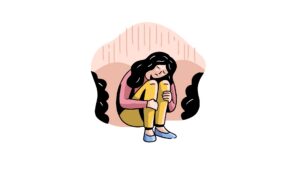
Some teenagers appear to be doing “fine” on the surface while quietly struggling with emotional overwhelm, exhaustion, social pressure, or daily functioning challenges underneath. Parents may notice increased shutdowns, anxiety, irritability, school avoidance, emotional outbursts, or extreme exhaustion without fully understanding what is contributing to those changes.
For some teens, these experiences may be connected to high-functioning autism, particularly when masking, emotional regulation difficulties, sensory overwhelm, or executive functioning challenges have gone unrecognized for years. Because many autistic teenagers learn how to hide or compensate for their struggles, signs are often missed until emotional stress becomes harder to manage.
Understanding high-functioning autistic teenager behavior can help parents better recognize when a teen may need additional emotional support, structure, or mental health care. In some situations, structured outpatient mental health programs like a partial hospitalization program (PHP) or intensive outpatient program (IOP) may help teens build emotional regulation skills, improve daily functioning, and feel more supported.
What High-Functioning Autism Can Look Like in Teenagers
High-functioning autism does not always look the way many people expect. Some autistic teenagers perform well academically, maintain friendships, or appear highly intelligent and self-aware while still struggling internally with stress, emotional regulation, social exhaustion, or sensory overload.
Signs can vary significantly from one teen to another, but some common behaviors may include:
- Becoming emotionally overwhelmed after school or social situations
- Difficulty managing changes in routine
- Extreme exhaustion after masking emotions throughout the day
- Intense focus on specific interests
- Difficulty interpreting social dynamics
- Emotional shutdowns or irritability
- Anxiety related to school, expectations, or peer interactions
- Trouble managing transitions or responsibilities
- Sensory sensitivities involving noise, crowds, lighting, or textures
Because these behaviors may appear subtle or inconsistent, they are sometimes misunderstood as anxiety, defiance, laziness, moodiness, or “normal teenage behavior.”
Why Some Signs Are Easy to Miss
Many autistic teens become highly skilled at masking, which means they consciously or unconsciously hide behaviors that might make them appear different from peers.
Masking can include:
- forcing eye contact
- rehearsing conversations
- copying social behaviors
- suppressing emotional reactions
- hiding sensory discomfort
- overworking to meet expectations
While masking may help teens appear socially adjusted, it can also create significant emotional exhaustion over time.
Parents often notice:
- emotional crashes at home
- increased withdrawal
- irritability after school
- burnout during busy periods
- shutdowns after social events
Because the teen may still be functioning academically or socially at some level, emotional struggles can go unrecognized until functioning starts declining more noticeably.
Emotional Regulation Challenges in Autistic Teens
Emotional regulation difficulties are common in many autistic teenagers, particularly when stress builds over time without adequate support or recovery.
Some teens may experience:
- rapid emotional escalation
- difficulty calming down once overwhelmed
- emotional shutdowns
- panic responses
- heightened frustration
- increased anxiety
- emotional exhaustion after prolonged stress
These experiences are not simply behavioral problems. In many cases, the nervous system is becoming overloaded from constant social demands, sensory input, academic pressure, or emotional masking.
Parents may notice that their teen:
- seems “fine” at school but falls apart at home
- struggles to communicate emotions clearly
- becomes overwhelmed by relatively small stressors
- isolates more frequently
- appears mentally and emotionally drained
When emotional regulation becomes consistently difficult, additional mental health support may help teens develop healthier coping strategies and improve day-to-day stability.
School Functioning, Burnout, and Daily Stress
One of the most overlooked signs of emotional strain in autistic teens is declining daily functioning.
This may look like:
- increased school avoidance
- falling behind academically
- difficulty starting or completing tasks
- chronic exhaustion
- reduced motivation
- increased absences
- emotional meltdowns after school
- withdrawing from activities once enjoyed
For some teens, the issue is not unwillingness or lack of effort. Instead, their mental and emotional resources may already be depleted from trying to manage overwhelming environments every day.
Over time, prolonged stress and masking can contribute to autistic burnout, a state of physical, emotional, and cognitive exhaustion that can significantly affect functioning and mental health.
Joint Commission Accreditation, DHCS License,
& Clinical Partnership with CPCMG
Joint Commission Accreditation, DHCS License, & Clinical Partnership with CPCMG




In Clinical Partnership With
PRI Treatment Center is proud to clinically partner with Children’s Primary Care Medical Group San Diego to expand access to high-quality mental health services. Together, we’re bridging the gap between primary care and mental health to better support the well-being of children and families in our shared community.
How Masking Can Affect Mental Health
Masking often creates a disconnect between how a teen appears externally and how overwhelmed they may feel internally.
Many autistic teenagers spend years trying to:
- fit in socially
- avoid criticism
- appear “normal”
- suppress behaviors or sensitivities
- manage expectations without support
This constant pressure can contribute to:
- anxiety
- depression
- emotional exhaustion
- identity confusion
- isolation
- burnout
- low self-esteem
Some teens may become increasingly withdrawn because maintaining social performance becomes emotionally unsustainable.
When these struggles continue without support, emotional distress may begin affecting:
- school functioning
- relationships
- family communication
- self-care
- motivation
- overall mental health
When Structured Mental Health Support May Help
Not every autistic teenager requires structured outpatient treatment. However, some teens may benefit from additional support when emotional overwhelm starts significantly affecting daily functioning, relationships, school participation, or mental health.
Signs that additional support may be helpful can include:
- worsening anxiety or depression
- frequent emotional shutdowns
- severe school avoidance
- increasing isolation
- emotional dysregulation
- inability to manage daily stress
- burnout that does not improve with rest alone
- therapy no longer feeling sufficient
In these situations, structured outpatient mental health treatment may provide more consistent support while allowing teens to continue living at home and maintaining family involvement.
How PHP and IOP Can Support Neurodivergent Teens
Structured outpatient mental health programs can help provide stability, emotional support, and skill-building for teens struggling with emotional overwhelm or functional decline.
A partial hospitalization program for mental health may offer:
- structured daytime support
- individual therapy
- group therapy
- emotional regulation skill development
- family involvement
- coping strategy development
- consistent clinical support
An intensive outpatient mental health treatment program may help teens who need ongoing support while balancing school or daily responsibilities.
At PRI Treatment Center, treatment is designed to support adolescents and young adults experiencing emotional and behavioral health challenges in a structured, compassionate environment. Mental health care should never force neurodivergent teens to hide who they are. Instead, support should help them better understand their emotional needs, improve coping strategies, and feel safer navigating everyday life.
Frequently Asked Questions About High-Functioning Autism
What is high-functioning autism in teenagers?
High-functioning autism generally refers to autistic individuals who may communicate verbally, attend school, and function independently in many areas while still experiencing significant social, emotional, sensory, or executive functioning challenges.
What are signs of autism in teens that parents may miss?
Signs can include emotional exhaustion, masking behaviors, shutdowns after school, anxiety, sensory sensitivities, difficulty with social dynamics, school avoidance, or chronic overwhelm.
What is autistic masking?
Masking refers to suppressing or hiding autistic traits in order to fit social expectations. While masking may help teens blend in socially, it can also contribute to emotional exhaustion and burnout.
What is autistic burnout?
Autistic burnout is a state of intense physical, emotional, and mental exhaustion caused by prolonged stress, masking, sensory overload, or chronic overwhelm.
Can autistic teens benefit from outpatient mental health treatment?
Some autistic teens may benefit from structured outpatient support when emotional overwhelm, anxiety, burnout, or functional struggles begin significantly affecting daily life.
What is the difference between PHP and IOP?
A PHP generally provides more structured daytime support, while an IOP offers a lower level of structured outpatient care with fewer weekly treatment hours.
Let’s Talk Today!
High-functioning autistic teenager behavior is not always obvious, especially when teens work hard to mask their struggles or maintain expectations despite emotional exhaustion underneath the surface. Parents may first notice changes through emotional overwhelm, school difficulties, shutdowns, anxiety, or increasing burnout rather than clear behavioral signs.
Understanding these patterns early can help families recognize when additional emotional support may be helpful. Structured outpatient mental health programs like PHP and IOP can provide teens with support, emotional regulation tools, and a more stable environment to help them navigate daily challenges with greater confidence and support.
No pressure. Just a conversation.

Dr. Warter received his doctorate in Clinical Psychology from The Wright Institute in Berkely, California, completed his Predoctoral Internship at USC’s Children’s Hospital Los Angeles, and was a Postdoctoral Researcher at USC’s Institute for Integrative Health and Wellness. Dr. Warter has also been trained at UCSF School of Medicine, Kaiser Permanente, and in community clinics in rural, underserved communities in Argentina and Paraguay. Dr. Warter has received training in providing parents with guidelines to help prevent behavior problems and enhance communication skills and strategies to promote children’s social, emotional, and academic competence. Dr. Warter has also published and presented at the University of Naples and the University of Buenos Aires on subjects related to Third Culture Kids and the impacts of Social Media on Personality and Self Esteem.

Dr. Charles Warter, PsyD