



There’s a point where it becomes harder to tell if what you’re experiencing is something you can manage on your own, or something that may require more support.
You might still be working. Showing up. Keeping things together on the surface.
But underneath, things feel harder than they should.
If you’ve been asking yourself how to know if you need rehab, you’re not alone. Many people reach a stage where things aren’t falling apart, but they’re also not improving.
Outpatient rehab is designed for exactly this space. It provides structured support without requiring you to step away from your daily life completely.
👉 If you’re unsure where you fall, speaking with an admissions team can help clarify your options without pressure.
Common Signs You May Need Outpatient Rehab
The need for support doesn’t always look extreme. More often, it shows up in patterns that gradually become harder to manage.
You’re relying on substances more than you want to
What may have started as occasional use becomes something you depend on to:
- manage stress
- regulate emotions
- fall asleep
- get through the day
Even if it feels controlled, reliance is an important signal.
You’ve tried to cut back—but can’t maintain it
You may have:
- set limits
- taken breaks
- told yourself “this is the last time”
But the cycle continues.
This usually reflects a need for structure, not a lack of discipline.
Daily responsibilities feel harder to manage
You might notice:
- decreased focus at work or school
- missed deadlines
- increased burnout
- inconsistency in routines
Even if everything is still functioning, the effort required may feel unsustainable.
Your emotional state feels harder to regulate
This can include:
- anxiety or irritability
- emotional highs and lows
- mental exhaustion
- difficulty coping without substances
Substance use and mental health are often closely connected, and emotional instability is a key indicator that additional support may help.
Relationships are becoming strained
You may be:
- withdrawing
- avoiding conversations
- experiencing conflict
- feeling disconnected
These shifts often develop gradually, but they matter.
When Therapy or Self-Management May Not Be Enough
Many people considering outpatient rehab are already aware of their patterns.
You may be:
- in therapy
- actively trying to change
- aware of what’s not working
But awareness alone doesn’t always create change.
Signs you may need more
structured support:
- therapy isn’t translating into consistent progress
- patterns repeat despite effort
- stress overrides coping strategies
- you understand the problem, but can’t shift behavior
This is where outpatient treatment becomes different.
It doesn’t replace therapy, it adds structure, consistency, and accountability.
How Outpatient Rehab Programs Help Create Real Change
Outpatient rehab provides a level of support that sits between independent coping and inpatient treatment.
Instead of navigating change alone, you have structured, ongoing support throughout the week.
What structured outpatient support includes:
- multiple sessions per week
- licensed clinical guidance
- group and individual therapy
- consistent accountability
Two Levels of Outpatient Care
Intensive Outpatient Program (IOP)
Designed for individuals who need consistent support but can still manage daily responsibilities.
Partial Hospitalization Program (PHP)
A higher level of care with more structure and frequency, ideal when additional stability is needed.
Both programs focus on:
- stabilizing patterns
- improving emotional regulation
- building sustainable routines
Questions to Ask Yourself Before Seeking Treatment
If you’re still unsure, these questions can help you evaluate your situation:
- Am I able to manage my substance use consistently?
- Are my current coping strategies working long-term?
- Is my mental health affecting my daily functioning?
- Do I need more structure than I currently have?
- Would support help me feel more stable and in control?
You don’t need a perfect answer, just an honest one.
Understanding Insurance and Getting Started
Uncertainty around cost and process often prevents people from taking the next step.
At PRI Treatment Center, the admissions process is designed to be simple and supportive.
What to expect:
- a confidential conversation
- guidance on appropriate level of care
- insurance verification support
- clear next steps
Many outpatient programs accept PPO and out-of-network plans, and benefits can often be verified quickly.
Joint Commission Accreditation, DHCS License,
& Clinical Partnership with CPCMG
Joint Commission Accreditation, DHCS License, & Clinical Partnership with CPCMG
In Clinical Partnership With
PRI Treatment Center is proud to clinically partner with Children’s Primary Care Medical Group San Diego to expand access to high-quality mental health services. Together, we’re bridging the gap between primary care and mental health to better support the well-being of children and families in our shared community.
Frequently Asked Questions
Can you go to rehab and still work or attend school?
Yes. Outpatient rehab is specifically designed to allow you to maintain daily responsibilities while receiving structured support.
How long does outpatient rehab last?
Programs typically range from several weeks to a few months depending on individual needs and progress.
Is outpatient rehab effective?
Yes, especially for individuals who don’t require inpatient care but need structure and consistency to create change.
Do I need detox before outpatient rehab?
In some cases. If withdrawal symptoms are present, detox may be recommended before starting outpatient care.
What’s the difference between IOP and PHP?
PHP offers more structured, frequent care. IOP provides flexibility with slightly less intensity. The right level depends on your situation.
Taking the Next Step Toward Support
If you’ve been questioning whether you need help, that question itself is worth paying attention to.
You don’t need to wait for things to get worse. And you don’t need to commit to anything before understanding your options.
Outpatient rehab is designed to meet you where you are, helping you build stability, structure, and long-term change while staying connected to your life.
Next Steps:
Support doesn’t mean starting over.
It means building something more sustainable, with the right level of guidance.

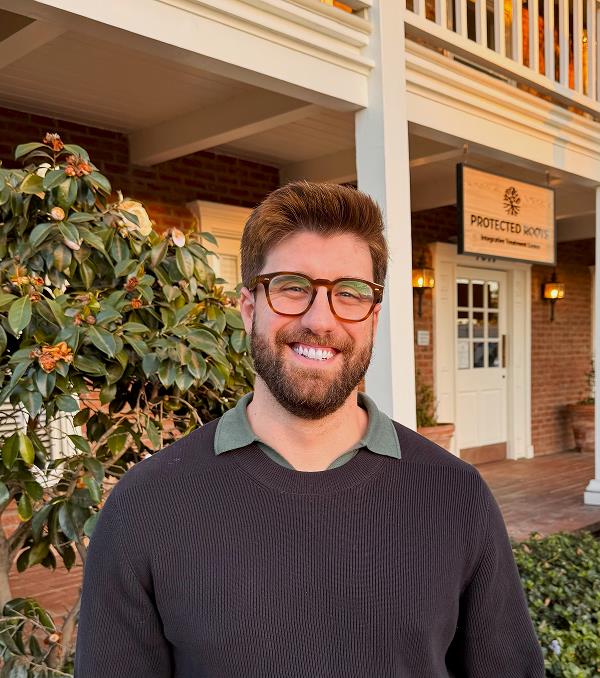
Dr. Warter received his doctorate in Clinical Psychology from The Wright Institute in Berkely, California, completed his Predoctoral Internship at USC’s Children’s Hospital Los Angeles, and was a Postdoctoral Researcher at USC’s Institute for Integrative Health and Wellness. Dr. Warter has also been trained at UCSF School of Medicine, Kaiser Permanente, and in community clinics in rural, underserved communities in Argentina and Paraguay. Dr. Warter has received training in providing parents with guidelines to help prevent behavior problems and enhance communication skills and strategies to promote children’s social, emotional, and academic competence. Dr. Warter has also published and presented at the University of Naples and the University of Buenos Aires on subjects related to Third Culture Kids and the impacts of Social Media on Personality and Self Esteem.