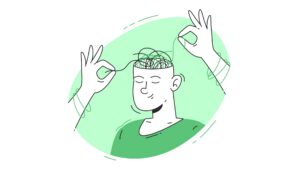
Families often sense that something about their loved one’s experience in therapy or treatment doesn’t quite fit, even when everyone involved is trying their best. Sessions may feel overwhelming, progress may stall, or behaviors may be misunderstood as resistance or lack of motivation.
In many cases, these challenges aren’t about willingness or effort. They may reflect differences in how a person processes emotions, stress, communication, and their environment, differences that traditional mental health treatment doesn’t always account for.
Understanding this perspective can help families reframe what they’re seeing and recognize when a more individualized approach to care may be needed.
Quick Summary
Some people process emotions, stress, communication, and sensory input differently. The term neurodivergent is often used to describe these natural differences in how the brain works. It is not a diagnosis, but a way of understanding variation rather than dysfunction. When mental health treatment adapts to these differences instead of expecting everyone to respond the same way, individuals often feel safer, more engaged, and better supported.
Understanding Neurodivergence Beyond Labels
Many families reach a point where they realize the challenges they’re seeing don’t quite fit the explanations they’ve been given. Their loved one may not respond to therapy in expected ways, not because they don’t care or aren’t trying, but because the approach itself doesn’t match how they process the world.
This is where the term neurodivergent often comes into the conversation.
Rather than describing a diagnosis, neurodivergent is a word used to help explain natural differences in how people think, regulate emotions, communicate, and respond to stress. It gives families language for patterns they may already recognize, without assigning blame or pathology.
According to the Cleveland Clinic, neurodivergent refers to people whose brains function differently than what is considered typical, influencing how they process information, emotions, and behavior. The National Network of Libraries of Medicine (NNLM) also describes neurodiversity as an inclusive framework that emphasizes understanding and acceptance rather than deficit.
Neurodivergent vs. Neurotypical: Why the Difference Matters in Treatment
Most traditional mental health treatment models are designed around neurotypical assumptions, how emotions are expressed, how communication works, and how progress should look.
For neurodivergent individuals, this mismatch can create unintended barriers. Families may notice that their loved one:
- Struggles with open-ended conversations
- Becomes overwhelmed in group settings
- Shuts down when emotions escalate
- Needs more structure or predictability
These responses are often misinterpreted as resistance or disengagement, when they may actually reflect how the brain processes stress and sensory input differently.
Why Neurodivergence Matters in Mental Health Treatment
When treatment doesn’t account for neurodivergent needs, even well-intentioned care can feel unsafe or ineffective.
Families frequently describe experiences such as:
- “They stop talking in sessions.
- “They seem exhausted after therapy.”
- “Nothing seems to stick, even though they’re trying.”
In many cases, this isn’t a lack of effort, it’s a treatment mismatch.
Neurodivergent brains may process emotions more internally, take longer to respond, or require different communication styles. Without accommodation, therapy can become overwhelming rather than supportive.
Common Neurodivergent Experiences in Mental Health Settings
Rather than focusing on diagnoses, it can be more helpful to understand common experiences families observe:
- Emotional regulation differences: Intense emotions, delayed processing, or sudden shutdowns
- Executive functioning challenges: Difficulty with planning, transitions, or follow-through
- Sensory sensitivity: Overstimulation from noise, lighting, or group environments
- Communication differences: Literal interpretation, difficulty verbalizing feelings, or needing more processing time
- Masking and burnout: Exhaustion from trying to appear “typical” in treatment settings
Recognizing these patterns helps families move from frustration toward understanding.
Joint Commission Accreditation, DHCS License,
& Clinical Partnership with CPCMG
Joint Commission Accreditation, DHCS License, & Clinical Partnership with CPCMG



In Clinical Partnership With
PRI Treatment Center is proud to clinically partner with Children’s Primary Care Medical Group San Diego to expand access to high-quality mental health services. Together, we’re bridging the gap between primary care and mental health to better support the well-being of children and families in our shared community.
Neurodivergent Does Not Mean Resistant or Unmotivated
One of the most harmful misunderstandings families encounter is the idea that their loved one is “not trying” or “not ready” for help.
In reality, behaviors such as withdrawal, avoidance, or emotional shutdown are often protective responses, not defiance. When treatment feels overwhelming or unsafe, the nervous system may default to self-preservation.
Understanding this distinction allows families and providers to shift from pushing harder to adapting care.
What Neurodivergent Mental Health Care Looks Like
Effective neurodivergent mental health care focuses on adaptation rather than correction. This may include:
- Predictable structure and clear expectations
- Sensory-aware environments
- Flexible communication styles (not only talk-based processing)
- Trauma-informed pacing
- Strength-based treatment planning
At PRI Treatment, neurodivergent mental health care is designed to meet individuals where they are, recognizing differences without pathologizing them.
Learn more about neurodivergent mental health care and how PRI adapts treatment to individual needs.
Looking for Neurodivergent-Affirming Mental Health Care?
Learn how PRI adapts treatment to support individuals who process emotions and stress differently.
Who Can Benefit From Neurodivergent-Affirming Treatment?
Neurodivergent-affirming care may be especially helpful for:
- Adolescents or adults who have struggled in traditional therapy
- Individuals with anxiety, trauma, depression, or substance use challenges
- People who feel misunderstood or overwhelmed in standard treatment settings
- Families seeking a more individualized, compassionate approach
This model recognizes that progress looks different for every person.
How PRI Approaches Neurodivergent Mental Health Treatment
PRI emphasizes:
- Individualized care plans
- Respect for communication and sensory needs
- Trauma-informed clinical support
- Collaboration with families when appropriate
The goal is not to force change, but to create conditions where healing and engagement can naturally occur.
When Traditional Treatment Hasn’t Worked
If your loved one has struggled in standard mental health settings, a neuro-affirming approach may offer a different path forward.
Frequently Asked Questions
What does neurodivergent mean in mental health treatment?
Neurodivergent means that a person’s brain processes emotions, stress, and communication differently. In mental health treatment, it helps explain why some people don’t respond well to standard therapy approaches, even when they’re trying.
Is neurodivergence a diagnosis?
No. Neurodivergence is not a medical diagnosis. It’s a way of understanding natural differences in how the brain works, rather than seeing those differences as a problem.
Why doesn’t traditional therapy work for some people?
Traditional therapy often assumes everyone processes emotions and communication the same way. For neurodivergent individuals, this can feel overwhelming or ineffective, which may look like resistance when it’s really a mismatch in approach.
What helps neurodivergent individuals in treatment?
Neurodivergent individuals often benefit from treatment that is more structured, flexible, and aware of sensory and communication needs. When care adapts to the person, engagement and progress usually improve.
How can families tell if treatment needs to be different?
Families may notice their loved one shuts down, becomes overwhelmed, or stops engaging in therapy. These signs can suggest that treatment needs to be adapted, not that the person isn’t trying.
How does PRI support neurodivergent mental health needs?
PRI adapts treatment to the individual, focusing on safety, structure, communication flexibility, and respect for neurological differences.
Sources & Clinical References

Dr. Warter received his doctorate in Clinical Psychology from The Wright Institute in Berkely, California, completed his Predoctoral Internship at USC’s Children’s Hospital Los Angeles, and was a Postdoctoral Researcher at USC’s Institute for Integrative Health and Wellness. Dr. Warter has also been trained at UCSF School of Medicine, Kaiser Permanente, and in community clinics in rural, underserved communities in Argentina and Paraguay. Dr. Warter has received training in providing parents with guidelines to help prevent behavior problems and enhance communication skills and strategies to promote children’s social, emotional, and academic competence. Dr. Warter has also published and presented at the University of Naples and the University of Buenos Aires on subjects related to Third Culture Kids and the impacts of Social Media on Personality and Self Esteem.

Dr. Charles Warter, PsyD