



Quick Takeaway
Setting intentions works best when emotional capacity, developmental needs, and support systems are considered. When reflection reveals overwhelm or distress, seeking mental health support can be a meaningful next step.
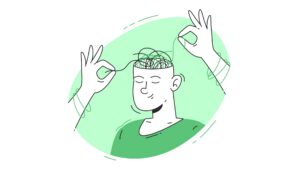
The start of a new year often brings pressure to reset to feel motivated, focused, and hopeful. But for many individuals and families, the New Year doesn’t feel energizing. It feels heavy, uncertain, or emotionally draining.
At Protected Roots Integrative Treatment Center, we view intention-setting not as a motivational exercise, but as a mental health process, one that works best when emotional capacity, developmental needs, and support systems are taken into account.
Why Good Intentions Don’t Always Lead to Change
Most people don’t struggle with intentions because they lack discipline or commitment. They struggle because the expectations they set don’t align with their current emotional capacity.
Common barriers include:
- Emotional overwhelm or burnout
- Anxiety or depression affecting energy and follow-through
- Difficulty with focus, planning, or executive functioning
- Nervous system dysregulation under chronic stress
- Developmental factors, especially for adolescents
When these factors are present, pushing harder often increases frustration rather than progress.
Intentions Work Best When They Match Emotional Capacity
Intentions are not goals, and they are not promises. They are signals. Signals about what someone wants, what feels heavy, and where support may be needed.
A mental health-centered approach to intention-setting considers:
- Emotional regulation and stress tolerance
- Current life demands and transitions
- Family dynamics and communication patterns
- Developmental stage and autonomy
- Whether additional structure would feel supportive or overwhelming
This perspective replaces self-blame with understanding and clarity.
A Guided Mental Health Intention Reset
Instead of asking “What should I accomplish?”, consider reflecting on:
- What feels emotionally heavy right now?
- Where do I feel stuck rather than unmotivated?
- What patterns keep repeating despite effort?
- What kind of support would make change feel possible?
- What would relief look like, not perfection?
For parents, reflection may also include noticing when adolescents experience emotional capacity differently and require guidance that balances structure with autonomy.
When Intentions Signal a Need for Support
Sometimes reflection brings clarity—and sometimes it brings anxiety, avoidance, or emotional shutdown. When that happens, it doesn’t mean intention-setting failed. It means something important surfaced.
Support may be helpful when:
- Intentions feel overwhelming rather than grounding
- Follow-through consistently breaks down
- Emotional distress increases during reflection
- Teens withdraw, shut down, or become irritable
- Families feel stuck repeating the same cycles
In these moments, therapy or structured care can help stabilize emotional capacity before change is expected.
Joint Commission Accreditation, DHCS License,
& Clinical Partnership with CPCMG
Joint Commission Accreditation, DHCS License, & Clinical Partnership with CPCMG
In Clinical Partnership With
PRI Treatment Center is proud to clinically partner with Children’s Primary Care Medical Group San Diego to expand access to high-quality mental health services. Together, we’re bridging the gap between primary care and mental health to better support the well-being of children and families in our shared community.
How PRI Supports Sustainable Change
PRI provides individualized, integrative mental health care for adolescents, adults, and families. Care is never rushed and never based on a single moment.
Our approach emphasizes:
- Thoughtful, collaborative assessment
- Developmentally informed care
- Family involvement when appropriate
- Levels of care that adjust as needs change
- Support that restores capacity rather than adds pressure
For many people, sustainable change begins not with stronger intentions, but with the right support.
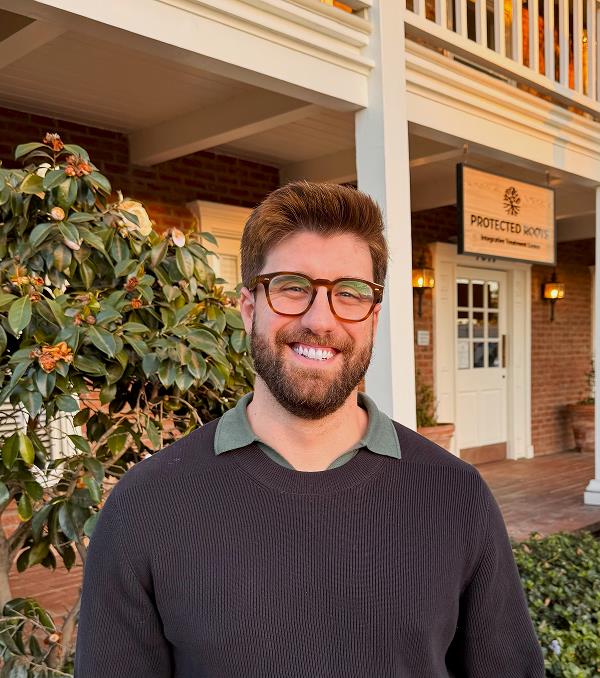
Dr. Warter received his doctorate in Clinical Psychology from The Wright Institute in Berkely, California, completed his Predoctoral Internship at USC’s Children’s Hospital Los Angeles, and was a Postdoctoral Researcher at USC’s Institute for Integrative Health and Wellness. Dr. Warter has also been trained at UCSF School of Medicine, Kaiser Permanente, and in community clinics in rural, underserved communities in Argentina and Paraguay. Dr. Warter has received training in providing parents with guidelines to help prevent behavior problems and enhance communication skills and strategies to promote children’s social, emotional, and academic competence. Dr. Warter has also published and presented at the University of Naples and the University of Buenos Aires on subjects related to Third Culture Kids and the impacts of Social Media on Personality and Self Esteem.