




Key Summary
What Parents Should Know
- Adolescent mental health care should be developmentally informed, not one-size-fits-all
- Support can range from outpatient therapy to more structured care when needed
- Families are partners in the process, not sidelined or blamed
- The right level of care is determined thoughtfully, not automatically
Thoughtful, Developmentally Informed Support for Teens and Families
When a teen is struggling emotionally, families are often left navigating uncertainty. Parents may know their child needs support but feel unsure about what kind, or how much, is appropriate. The goal of adolescent mental health care is not simply to treat symptoms, but to understand the whole person within the context of their development, relationships, and environment.
At Protected Roots Integrative (PRI) Treatment Center, we approach adolescent mental health care with care, intention, and collaboration, meeting teens and families where they are, without pressure or assumptions.
Our Philosophy of Adolescent Care
Adolescence is a period of rapid emotional and neurological growth. Emotional distress during this stage often reflects a complex interaction of stress, identity development, relationships, and life transitions, not a single diagnosis or cause.
Our approach emphasizes:
- Understanding emotional patterns rather than labeling behavior
- Supporting growth and resilience, not just symptom reduction
- Respecting a teen’s autonomy while involving families appropriately
- Matching the level of care to the teen’s actual needs
When support may be needed. Care decisions are made thoughtfully, with the understanding that the right support can change over time.
Levels of Support Available at PRI
Adolescent mental health care exists on a spectrum. At PRI, we offer multiple levels of support so care can be tailored, not escalated unnecessarily.
Outpatient Therapy
Often the starting point, outpatient therapy supports teens in:
- Building emotional awareness and regulation
- Managing stress, anxiety, or low mood
- Navigating identity development and relationships
- Strengthening coping and communication skills
This level of care allows teens to continue daily activities like school while receiving consistent support.
More Structured Support (When Needed)
Some teens may benefit from more structured care when emotional distress significantly interferes with daily functioning. This may include programs that provide increased therapeutic support while still prioritizing development and stability.
Importantly, higher levels of care are considered carefully and collaboratively, not as a default. The goal is always to provide the least intensive level of care that effectively supports healing and growth.
How We Work With Families
Parents and caregivers are an essential part of adolescent mental health care. At PRI, we believe therapy works best when families are informed, supported, and respected throughout the process.
Family involvement may include:
- Parent consultations and check-ins
- Family or joint sessions when appropriate
- Guidance on how to support teens outside of therapy
We aim to strike a balance, keeping families involved while allowing teens the privacy and independence needed for meaningful therapeutic work.
Key Takeaways for Families
- Adolescent mental health care works best when it is tailored to a teen’s developmental needs, emotional patterns, and family context.
- At PRI, care decisions are made thoughtfully and collaboratively, never rushed or based on a single moment.
- Families are partners in the treatment process, supporting teens while preserving autonomy and trust.
What Makes PRI’s Approach Different
- Developmentally informed perspective
- Integrative, individualized care planning
- Calm, non-urgent approach to treatment decisions
- Emphasis on emotional understanding over labels
- Collaborative partnership with parents and teens
Our clinicians take time to understand each teen’s experience before recommending next steps.
Joint Commission Accreditation, DHCS License,
& Clinical Partnership with CPCMG
Joint Commission Accreditation, DHCS License, & Clinical Partnership with CPCMG
In Clinical Partnership With
PRI Treatment Center is proud to clinically partner with Children’s Primary Care Medical Group San Diego to expand access to high-quality mental health services. Together, we’re bridging the gap between primary care and mental health to better support the well-being of children and families in our shared community.
Taking the Next Step Without Pressure
If you’re exploring mental health support for your teen, you don’t need to have everything figured out. Many families begin with a conversation, seeking clarity, reassurance, and guidance rather than immediate answers.
Whether your teen needs early support, ongoing therapy, or more structured care, our team works with families to determine what feels appropriate and sustainable.
How Protected Roots Integrative Treatment Center Can Help
At PRI, adolescent mental health care is grounded in respect, collaboration, and thoughtful clinical judgment. We support teens through emotional challenges while partnering closely with families, always with care and intention.
📞 Learn more about next steps.
You may also find these resources helpful:
FAQ: Adolescent Mental Health Care at PRI
How do I know what level of care my teen needs?
Care decisions are based on patterns over time, level of functioning, and emotional needs, not a single visit or concern. We work collaboratively with families to determine appropriate support.
Does PRI automatically recommend higher levels of care?
No. Our goal is always to match teens with the least intensive level of care that effectively supports their well-being.
Are parents involved in treatment?
Yes. Parents are partners in care, with involvement tailored to the teen’s needs and developmental stage.
Can care change over time?
Absolutely. As teens grow and their needs change, care plans are adjusted thoughtfully and collaboratively.
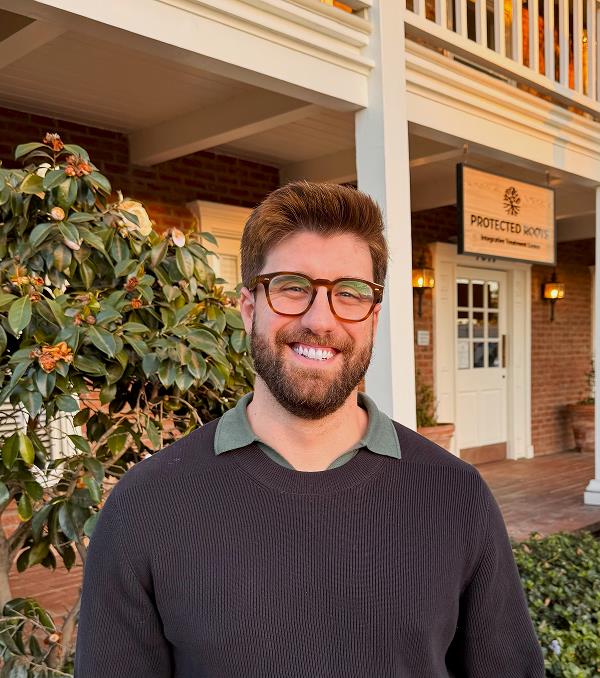
Dr. Warter received his doctorate in Clinical Psychology from The Wright Institute in Berkely, California, completed his Predoctoral Internship at USC’s Children’s Hospital Los Angeles, and was a Postdoctoral Researcher at USC’s Institute for Integrative Health and Wellness. Dr. Warter has also been trained at UCSF School of Medicine, Kaiser Permanente, and in community clinics in rural, underserved communities in Argentina and Paraguay. Dr. Warter has received training in providing parents with guidelines to help prevent behavior problems and enhance communication skills and strategies to promote children’s social, emotional, and academic competence. Dr. Warter has also published and presented at the University of Naples and the University of Buenos Aires on subjects related to Third Culture Kids and the impacts of Social Media on Personality and Self Esteem.